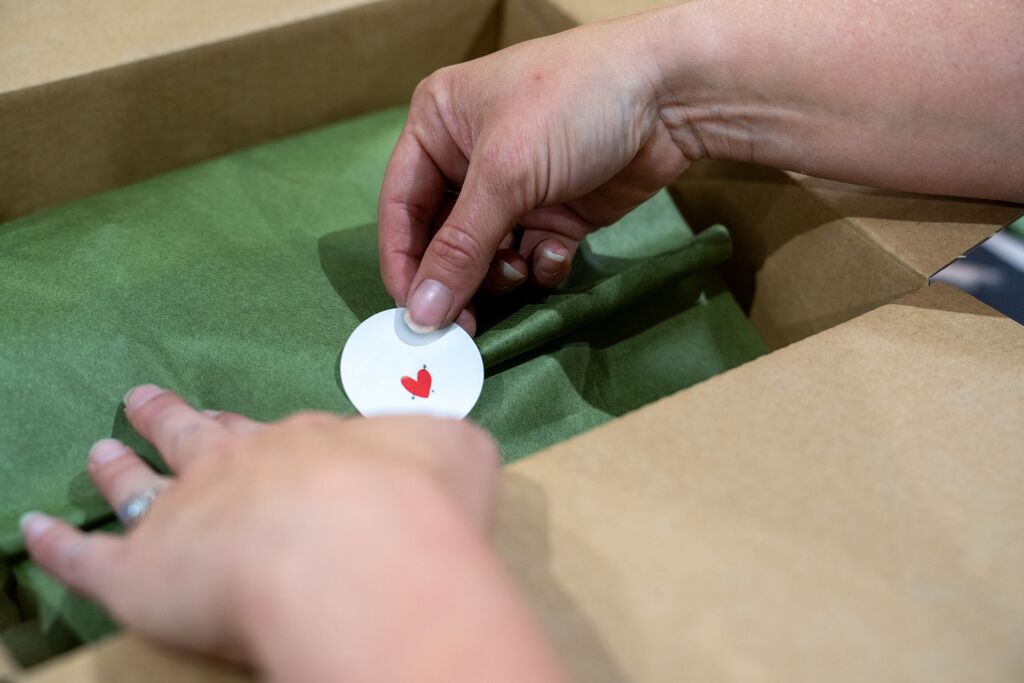
Selling a used product may seem simple: you take a few photos, post an ad and wait for someone to get in touch. However, in practice, there is a huge difference between selling something “any way you can” and doing it safely and quickly. That difference lies in small details that many people overlook: how you describe the product, which platform you choose, how you secure the payment, how you prepare the package and what you do so that the buyer can track the shipment without uncertainty.
And here is the key: the better the buyer’s experience, the easier it will be to complete the sale and avoid issues afterwards. That is why at GLS we have prepared a complete guide to selling and shipping second-hand items safely and without complications. With our domestic and international shipping services, your sales are more than protected.
How to Sell Second-Hand Items Online Quickly
Let’s start with the basics: it is essential for the buyer to trust you. Selling online means that buyers cannot touch the product, check its condition (which is especially important for technology items) or speak with you face to face to answer their questions. Therefore, all the content you publish should reduce this uncertainty.
A good listing is one that provides information and anticipates questions. Include the actual condition of the item, dimensions, brand, model, approximate year of purchase, visible defects and the reason for selling whenever that information adds context. It is not about writing a lot, but about writing what is necessary so that the other person feels confident about what they are buying.
In addition, the price must be reasonable. Check how much similar products are selling for on other platforms and adjust the price according to the condition, demand and urgency. If you want to sell quickly, a slightly competitive price may work better than leaving room for a lengthy negotiation.
Advantages of Peer-to-Peer Second-Hand Selling
There is no reason for it to generate distrust. As long as you use an established platform or app, buying and selling second-hand products between private individuals offers multiple advantages:
- Cost savings: The seller recovers part of the product’s value and the buyer gets a lower price.
- A second life: Products are given a new lease of life.
- Access to unique products: It is often possible to find discontinued or hard-to-find items.
- Flexibility in negotiations: By dealing directly with the seller, it is easier to agree on prices, conditions or delivery methods.
- Convenience and trust: Local sales allow buyers to inspect the product before purchasing it or collect it in person.
How to Sell Used Items and Make Your Listings Stand Out
When selling second-hand items, it is essential to pay attention to how your listings are presented. Here are several tips that can help you sell more quickly.
- Photos are crucial: Use natural light, show the product from different angles and never hide imperfections. A small sign of wear, if properly explained, builds more trust than a perfect picture that does not match reality.
- The title should be direct and descriptive. Instead of writing “mobile phone for sale”, it is better to write “iPhone 12 128 GB Black in Good Condition”. In the description, avoid vague terms such as “new” if the product is not actually new. It is better to use expressions such as “lightly used”, “fully functional” or “visible wear on one corner”, provided they are accurate.
- Respond quickly and answer questions politely. Just as in a traditional shop, it is important for the seller to address any enquiries from the very beginning.
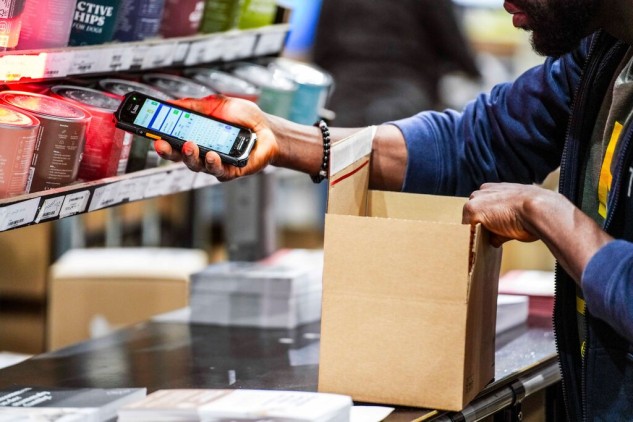
Where to Sell Second-Hand Items Online
The choice of platform for selling second-hand products depends on several factors. Not all platforms work in the same way, so it is advisable to choose the channel that best suits the item.
Marketplaces
General marketplaces allow you to list a wide variety of products and reach a large audience. They are usually useful for items with broad demand, such as electronics, small furniture, accessories, clothing or household products.
The main advantage is visibility. However, there is also more competition, so the listing needs to be well prepared. A clear price, good photos and a complete description can make all the difference.
Peer-to-Peer Selling Apps
Apps specialising in second-hand buying and selling make it much easier for sellers and buyers to connect. Some allow users to filter by location, negotiate within the app itself and manage part of the process in a more organised way.
It is a fast method and these apps are often a good option for everyday items, fashion, books, toys and accessories.
Social Media and Local Sales Channels
Local social media groups can be useful for nearby sales, especially when the item is bulky or the buyer prefers to collect it in person. They can also be effective for very specific items within specialised communities.
Therefore, if you are selling a bicycle, sports equipment or furniture, it may be worthwhile combining major platforms with more niche groups. The better you choose the sales channel, the more likely you are to find the right buyer.
The Importance of Efficient and Secure Second-Hand Shipping
Shipping second-hand products in today’s world must fulfil two key requirements: efficiency and security. You may have a perfect listing and an interested buyer, but if the package arrives damaged or there is no clear information about the shipping process, the sale can quickly become problematic.
Before shipping, confirm the recipient’s details, check that the product matches the listing and prepare the package in advance. For fragile, detachable or valuable items, the packaging should prevent internal movement and protect corners, screens, loose parts and delicate surfaces.
In addition, it is advisable to keep evidence of the product’s condition before shipping. A photo of the item, the packaging and the shipping label can be helpful if any issue arises.
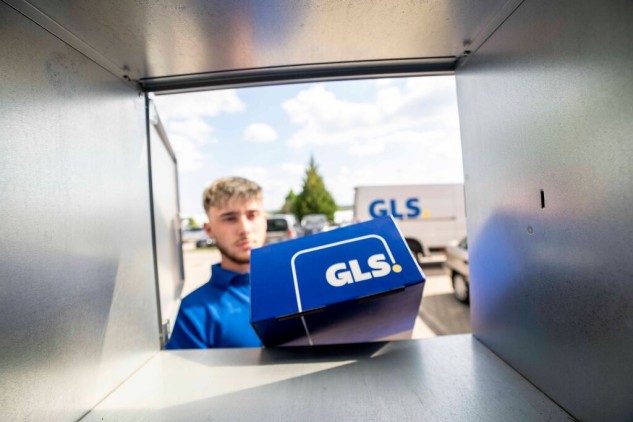
How to Track Your Shipment with GLS and Sell with Peace of Mind
Tracking provides peace of mind for both buyers and sellers. With GLS parcel tracking , it is possible to check the status of the package in real time and know where it is throughout the shipping process.
In a second-hand sale, this traceability is extremely useful. The seller can inform the buyer that the parcel is already on its way, and the buyer can monitor the progress of the shipment.
In addition, sharing the tracking number after dispatch demonstrates professionalism and reduces uncertainty. Even in a one-off transaction between private individuals, paying attention to these details improves trust and helps avoid misunderstandings.
Complete Packaging Guide for Your Second-Hand Parcels
Packaging Solutions
To avoid buying new boxes, envelopes or packaging materials that increase your costs, you can use recycled boxes, reused paper, cardboard fillers or padded envelopes in good condition that you have kept from previous purchases.
It is important to know how to package a parcel correctly , because every package must fulfil one basic function: protection. Do not reuse packaging that is unlikely to withstand transportation, as it may create even more problems if the product is damaged and needs to be returned or replaced. Therefore, make use of materials you already have at home, but only if they can provide maximum protection for your shipment.
When a Used Box Is Still Suitable for Shipping
A reused box can be perfectly suitable if it retains its rigidity, is not damp, has no major tears and its flaps remain in good condition. It should also be the right size for the product: a box that is too large may increase the risk of internal impacts, while a box that is too small may become distorted.
Before using it, remove old labels, barcodes and previous addresses. This prevents confusion during transportation and makes the new label easier to read.
Packaging Techniques for Protecting Used Products
Choosing the right packaging starts with matching the size of the box to its contents. A compact parcel is better protected and also avoids unnecessary volume. Next, wrap the product according to its fragility and fill any empty spaces to prevent movement during transit.
Finally, seal the box securely and place the label on a flat, clearly visible surface. If the parcel contains fragile items, indicating that it requires careful handling can help, but this should never replace proper packaging.