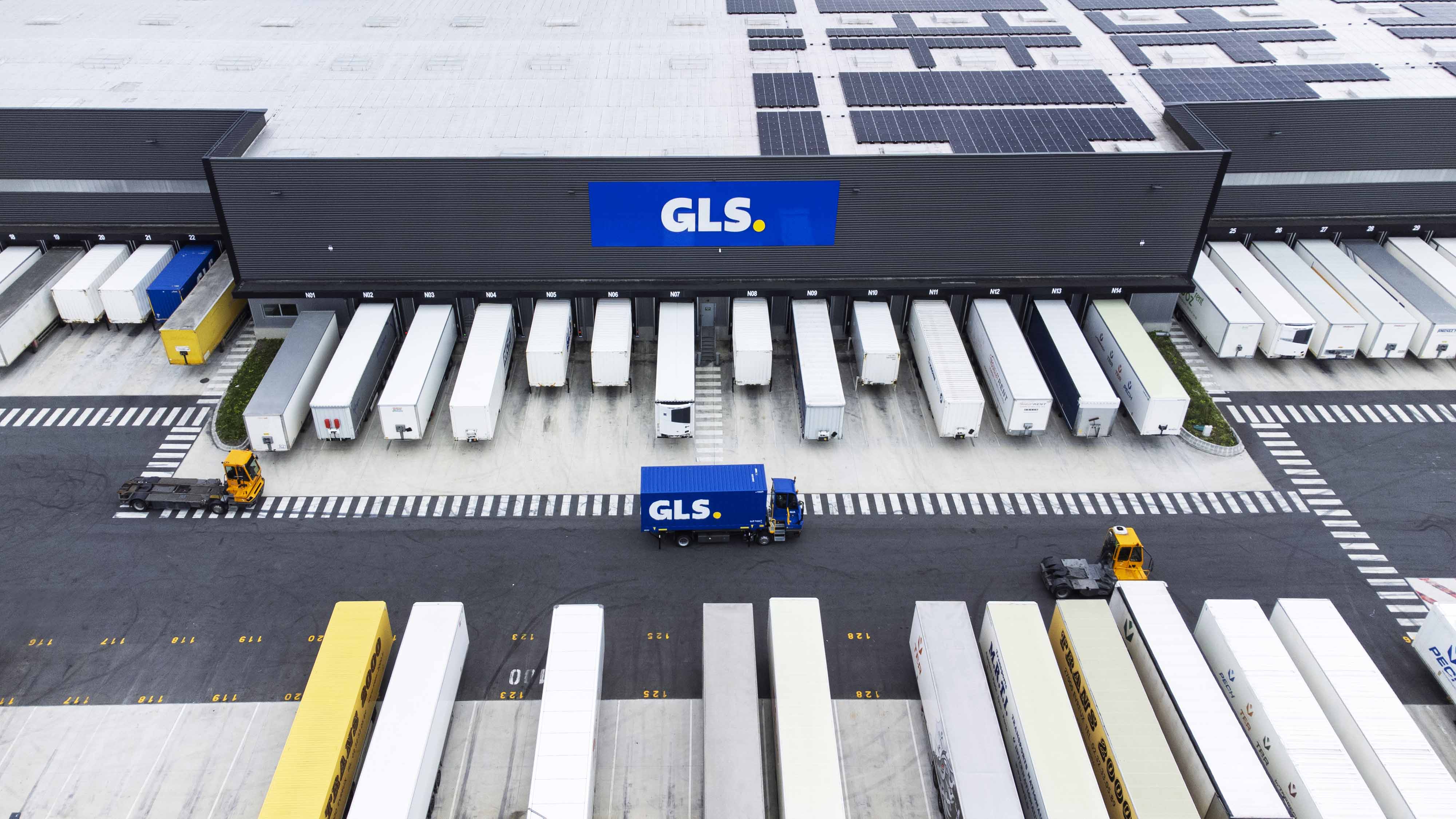
A logistics operator is a company specialised in managing one or more stages of the supply chain for other businesses. Its main function is to coordinate the processes required for a product to move from the supplier to the final customer efficiently, safely and within the agreed timeframe.
Unlike a simple transport company, a logistics operator may handle warehousing, order preparation, inventory management, transport, returns and even the strategic planning of logistics operations.
In other words, it is the partner that enables a company to outsource its logistics and focus on its core business.
What types of logistics operators exist
There are different types of logistics operators depending on their level of integration and the services they provide.
3PL logistics operator
3PL (third-party logistics) is the most common model. It is responsible for carrying out logistics operations such as:
- Warehousing
- Order preparation
- Transport
- Returns management
It is ideal for companies that want to outsource their operational logistics without making large investments in infrastructure.
4PL logistics operator
4PL goes one step further. It not only executes logistics operations but also designs and coordinates the entire logistics strategy. It acts as a service integrator, supervising different providers and optimising the supply chain as a whole.
It is common among companies with complex operations or international presence.
Specialised logistics operator
Some operators specialise in specific sectors or services, such as:
- Ecommerce and fulfilment
- International logistics
- Pharmaceutical products or temperature-controlled goods
This specialisation allows them to offer solutions tailored to specific needs.
Express delivery operator or courier
This type of operator specialises in fast door-to-door deliveries, generally with short transit times and detailed tracking.
It is responsible for collection, transport and final delivery, making it a particularly popular option for ecommerce and urgent shipments.
Its key strengths are speed, traceability and strong last-mile coverage.
Main services offered by a logistics operator
A logistics operator can cover all the stages required for a product to reach the final customer in optimal condition. The most common services include:
- Warehousing
Storage and management of stock in dedicated facilities.
- Inventory management
Real-time stock control to prevent stockouts or overstocking.
- Order preparation
Order reception, picking, packing and labelling.
- Packaging
Proper protection of goods to ensure they arrive undamaged.
- Transport and distribution
Shipment of goods, order tracking and coordination of delivery.
- Reverse logistics:
Management of returns and reintegration of products into inventory.
- Technological integration
Conection with ecommerce platforms, ERP systems or management software to automate processes and improve traceability.
Differences between a logistics operator and a transport company
As you have seen, a logistics operator is much more than a transport company.
A logistics operator offers a wide range of services. Transport is one of them, but it also includes warehousing, inventory management and supply chain planning. Therefore, it provides an integrated service.
By contrast, a transport company focuses solely on the physical movement of goods, without offering additional logistics services.
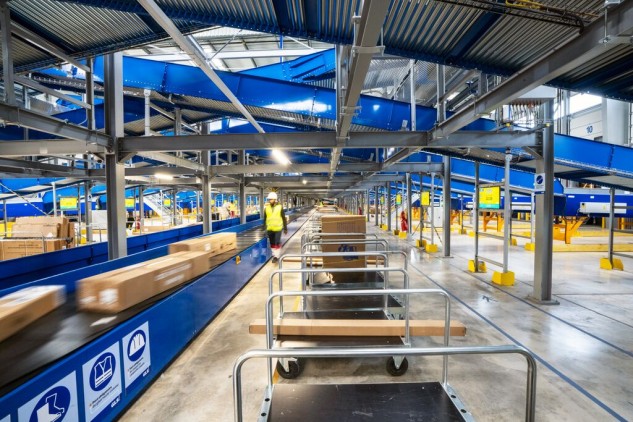
Which companies need to work with a logistics operator
Companies looking to reduce operational costs or optimise delivery times may need to rely on a logistics operator, as well as businesses that lack the infrastructure required to manage the growth of their ecommerce operations.
Hiring a logistics operator is an ideal solution for improving business efficiency, handling demand peaks or outsourcing complex inventory and transport management.
Advantages of hiring a logistics operator for your business
Working with a logistics operator can be highly beneficial, regardless of your company’s size or sector. The main advantages include:
- Cost reduction: a logistics operator optimises routes and negotiates rates with carriers, creating economies of scale that result in direct savings for clients.
- Improved efficiency: the use of advanced technologies and process optimisation enables more efficient supply chain management.
- Flexibility: a logistics operator can quickly adapt to changes in demand, allowing you to scale operations up or down as needed.
- Access to global networks: these providers offer access to extensive logistics resources and capabilities worldwide.
- Improved customer service: delivering goods on time and in good condition — along with additional services — builds trust and customer satisfaction.
How to choose the right logistics operator
Choosing a logistics operator should not be based solely on price. It is important to assess:
- Experience in your sector.
- Technological capabilities and system integration.
- Geographical coverage..
- Scalability.
- Cost transparency.
- Service level and customer support.
A good logistics operator should adapt to your business model and help you optimise your supply chain in the long term.
FAQs about logistics operators
What is a 3PL logistics operator
It is an external company that manages logistics operations such as warehousing, order preparation and transport on behalf of another business.
What is the difference between a logistics operator and a transport company
A transport company only moves goods. A logistics operator manages all or part of the supply chain.
What is fulfilment
It is the complete process of managing ecommerce orders: storage, preparation, shipping and returns.
When should a company outsource logistics
When the business grows, logistics costs increase or internal management begins to affect efficiency and customer experience.